
A clogged drain doesn’t usually appear out of nowhere. By the time water is pooling around your feet in the shower or backing up out of the kitchen sink, your plumbing has typically been trying to warn you for days — or even weeks. The good news is that catching the early signs of a clogged drain can save you from expensive emergency repairs, water damage, and the unpleasant surprise of a backed-up toilet on a holiday weekend.
In this guide, our La Verne plumbing team walks you through seven of the most common warning signs that your drains are heading toward a serious clog — and what to do about each one before it turns into a full emergency.
1. Slow-Draining Sinks, Tubs, or Showers
If your bathroom sink takes a full minute to drain or your shower water rises around your ankles, the line is already partially blocked. Hair, soap scum, and mineral buildup typically narrow the pipe gradually until water simply can’t move through fast enough. Slow drainage is the single most common early warning of a clogged drain and the easiest to dismiss as a small annoyance.
2. Gurgling Sounds from Drains
Gurgling noises when water goes down the drain — or when a nearby appliance runs — mean air is being forced through a partial blockage. If you hear your kitchen sink gurgle when you flush the toilet, the issue may already be in your main line rather than a single fixture.
3. Unpleasant Odors Coming from the Drain
Trapped food, grease, and organic matter inside a clogged drain begin to break down and produce noticeable odors. If your kitchen sink smells sour, or your shower drain has a musty, sewage-like odor, something is rotting inside the pipe and needs to be flushed out.
4. Water Backing Up Into Other Fixtures
This is a critical warning. If running the washing machine causes water to bubble up in the shower, or flushing the toilet causes the bathtub drain to back up, the blockage is likely in your main sewer line. At this stage, you should stop using water in the home and call a professional plumber immediately.
5. Recurring Clogs in the Same Drain
If you keep plunging the same toilet or pouring drain cleaner down the same sink every few weeks, surface-level fixes are no longer working. Recurring clogs almost always indicate a deeper structural issue — heavy buildup, pipe damage, or tree roots growing into your sewer line — that needs professional diagnosis.
6. Fruit Flies or Drain Flies Appearing Indoors
Tiny flies that seem to come from nowhere are often breeding in the organic gunk lining a clogged drain. If you’ve spotted small flies near sinks, garbage disposals, or floor drains, the inside of those pipes is overdue for a professional cleaning.
7. Visible Water Damage Near Pipes or Walls
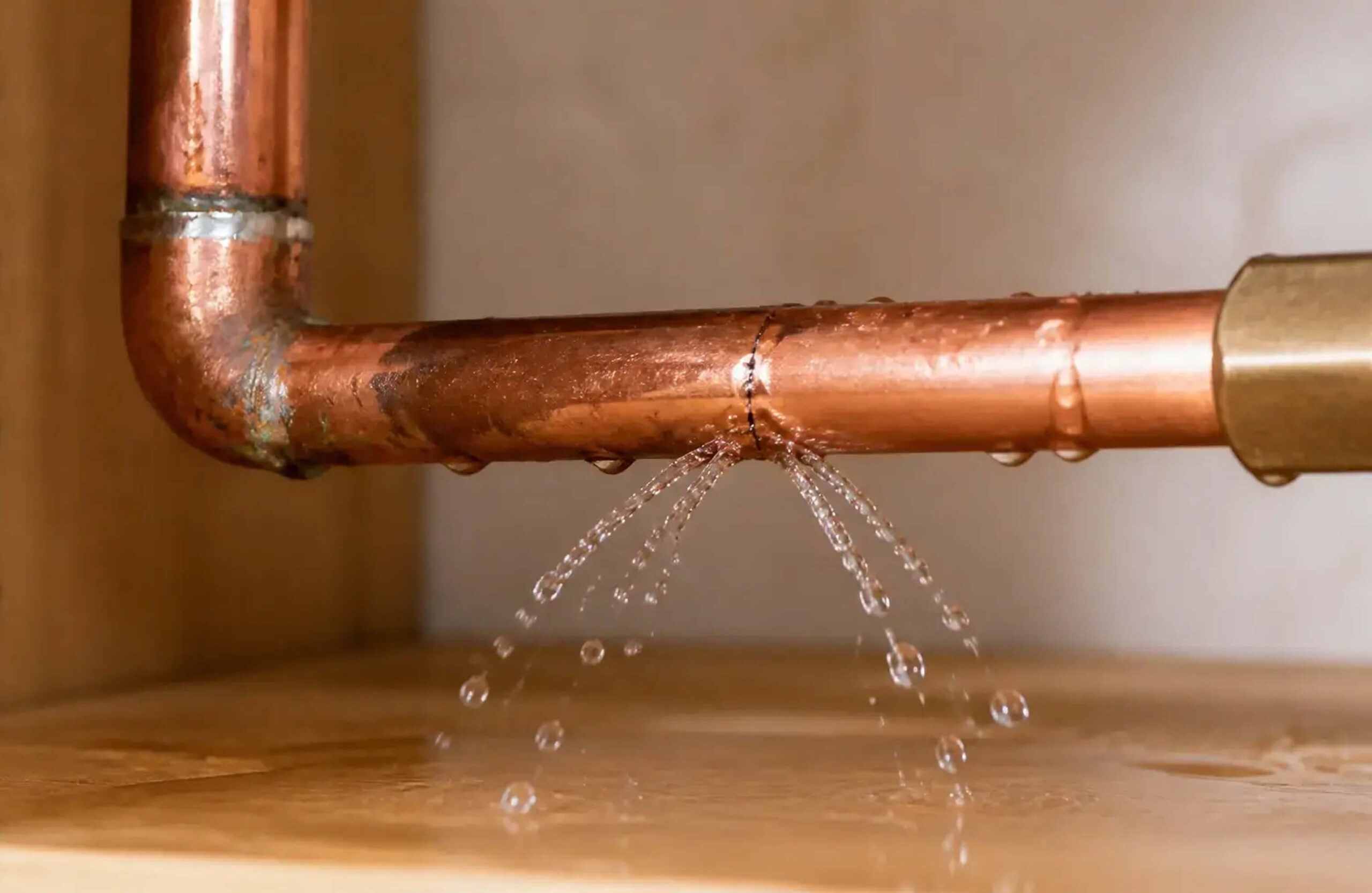
Damp spots, warped flooring, peeling paint, or water stains near plumbing fixtures can signal that a clogged drain is causing pressure to build up and force water through pipe joints. This kind of damage rarely repairs itself and tends to escalate quickly.
When to Call a Professional La Verne Plumber
Some clogs respond to a plunger or a careful drain snaking. Others — especially those involving multiple fixtures, recurring issues, or main line symptoms — require professional equipment like hydro jetting and video inspection. If you’ve noticed any of the warning signs above, don’t wait for a full backup. Call our La Verne drain cleaning team at 900-600-2564 and let a licensed plumber take a look while the fix is still simple and affordable.
Final Thoughts
A clogged drain is rarely just a small inconvenience — it’s usually your home telling you that something inside the pipes needs attention. Recognize the warning signs early, take simple preventative steps where you can, and call a trusted local plumber the moment the issue starts repeating itself. Your home, your floors, and your weekend plans will thank you.